
In the second part of the two-part interview with Cellar 33’s Amrita Singh and Mattia Antonio Cianca ahead of ProWine 2026, I tap into Mattia’s professional views as an international award-winning sommelier and wine marketing professional. He offers his opinion on India as a wine market and gives words of advice to young people in India looking to make wine their profession.
Few people understand the Indian wine market from both sides of the table.
Mattia Antonio Cianca does. He may be an award-winning sommelier by training, but his knowledge, especially on the Indian wine industry, is greater than what his CV indicates. In this second part of the interview on Cellar 33, the highly-regarded wine and spirits agency he co-founded with Amrita Singh, he speaks about India’s market dynamics, its emerging consumer base, the challenges of distribution, an understanding of where Indian wine culture could be headed, as well as the opportunities for international producers. He also stresses the importance of building a long-term industry network in India.
You have been observing the Indian market closely for quite some time – what are your observations, both positive and negative? What do you feel is slowing down the growth of the Indian wine market?
India is an incredibly exciting market, but it is also one of the most complex markets I have worked with.
On the positive side, I see a growing curiosity about wine, particularly among younger professionals, internationally exposed consumers, and the hospitality sector. People are increasingly interested in understanding regions, grape varieties, and the stories behind the wines, rather than simply recognising a famous label.
However, I think we need to be realistic about the challenges. High taxation, different regulations from state to state, complicated distribution structures, and currency fluctuations make imported wine expensive and difficult to access.
In my opinion, one of the biggest obstacles is the combination of price and accessibility. When consumers have to pay a substantial premium for an entry-level international wine, it becomes much harder to develop a regular wine-drinking culture.
Education is another important factor. Wine needs to become more approachable and less intimidating.
Let’s talk international trends. As a professional living and working in Europe, what wine trends do you see that would interest the Indian market?
One of the most interesting developments I see internationally is a shift towards freshness, balance, and drinkability.
Consumers are increasingly interested in wines that express their origin without necessarily being powerful, heavily extracted, or high in alcohol. This is creating renewed interest in lighter reds, elegant white wines and indigenous grape varieties.
I think this trend has enormous potential in India, especially considering the climate and the diversity of Indian cuisine. Fresh Riesling, Grüner Veltliner, Chenin Blanc, lighter Pinot Noir and sparkling wines can offer wonderful versatility at the table.
Another important trend is the growing interest in authenticity. Consumers want to understand who makes the wine, how it is produced, and what makes it different. We are also seeing more attention towards sustainable viticulture, responsible production and wines with a strong sense of place.
For India, I believe the opportunity is to develop its own wine culture rather than simply replicate European consumption habits. The wines that succeed will be those that connect naturally with Indian lifestyles, gastronomy and social occasions.

“I see a growing curiosity about wine, particularly among younger professionals, internationally exposed consumers and the hospitality sector… but I think we need to be realistic about the challenges.”
Mattia Antonio Cianca
What are the most critically important points that need to be highlighted to international producers who are keen on entering the Indian market with their wines?
The first is that India is not a market where you should expect immediate results.
I often speak with producers who are enthusiastic about the size of the Indian population and the potential growth of wine consumption. While the opportunity is certainly there, it is important to understand that the addressable market for imported wine is still relatively limited and highly concentrated. Producers need to understand taxation, distribution, pricing and the different regulations across Indian states before making commercial decisions.
The second point is the importance of choosing the right partner. An importer should not simply be someone willing to place an initial order. They should understand the positioning of the wines, have access to the appropriate distribution channels and share a realistic vision for developing the brand.
Finally, producers need to invest in relationships and education. Coming to India once, participating in a trade fair and expecting immediate orders is rarely a successful strategy.
My advice is to visit the market, listen carefully to importers and sommeliers, understand the consumer and be prepared to adapt.
There is no universal formula for success in India. What works for a Champagne grower may be completely different from what works for a larger Australian winery. The producers who succeed will be those willing to build something over time.

“For India, I believe the opportunity is to develop its own wine culture rather than simply replicate European consumption habits.”
As you work closely with sommeliers and wine professionals in Europe and around the world, what is your practical advice to Indian youngsters interested in entering the wine industry?
My first piece of advice is very simple: be curious, and never stop learning. I have been fortunate to work in some of the world’s most demanding restaurants and participate in international sommelier competitions, but I still discover something new about wine almost every day.
For anyone beginning a career in wine, I would strongly encourage practical experience. Work in restaurants, visit wineries whenever possible, speak with importers, attend tastings, and learn how the business actually operates.
Qualifications are valuable, but they should complement experience rather than replace it. Being able to explain a wine to a guest, understand their preferences and make them feel comfortable is just as important as knowing every detail about a vineyard. I would also encourage young Indian professionals to look internationally, whether through competitions, internships, educational programmes, or professional exchanges.
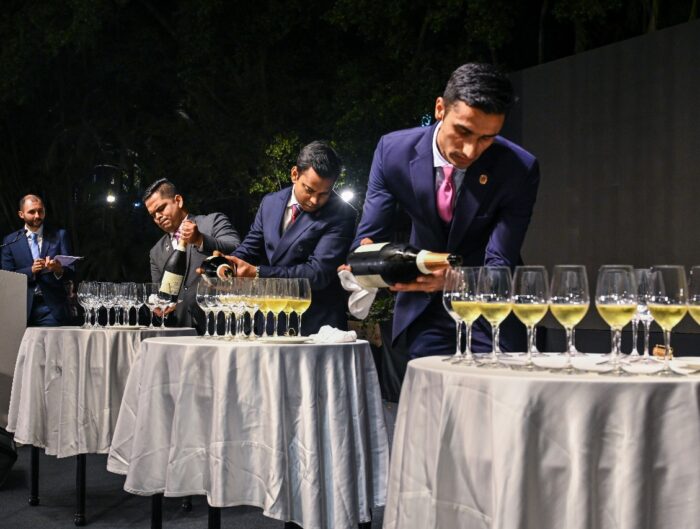
This is why we established the Sommeliers Association of India. We want to create opportunities for Indian sommeliers to connect with the international community and develop their skills to the highest standards.
And finally, remember that being a great sommelier is not about demonstrating how much you know. It is about making other people enjoy wine.

You might also like