Inside Vinitaly: Secci & the Shifts Shaping Wine
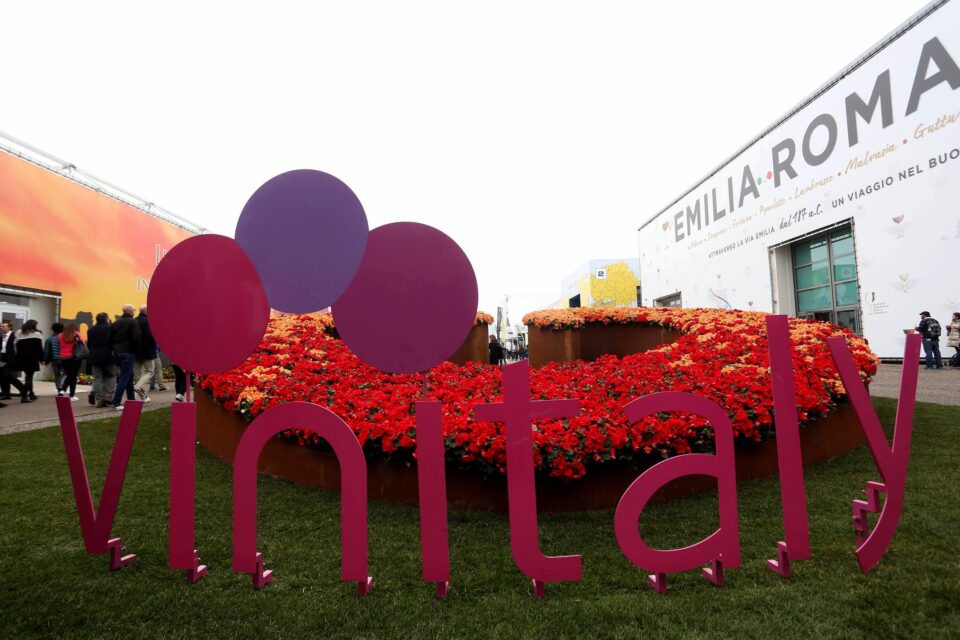
Vinitaly is one of the world’s most important trade fairs. This year, Indian wine producer Fratelli Vineyards’ co-founder-director Alessio Secci was there on a special mission: to take two Indian sommeliers on a trip around Italy and the trade fair. He writes this guest column on Vinitaly 2026 and the significant trends spotted there.
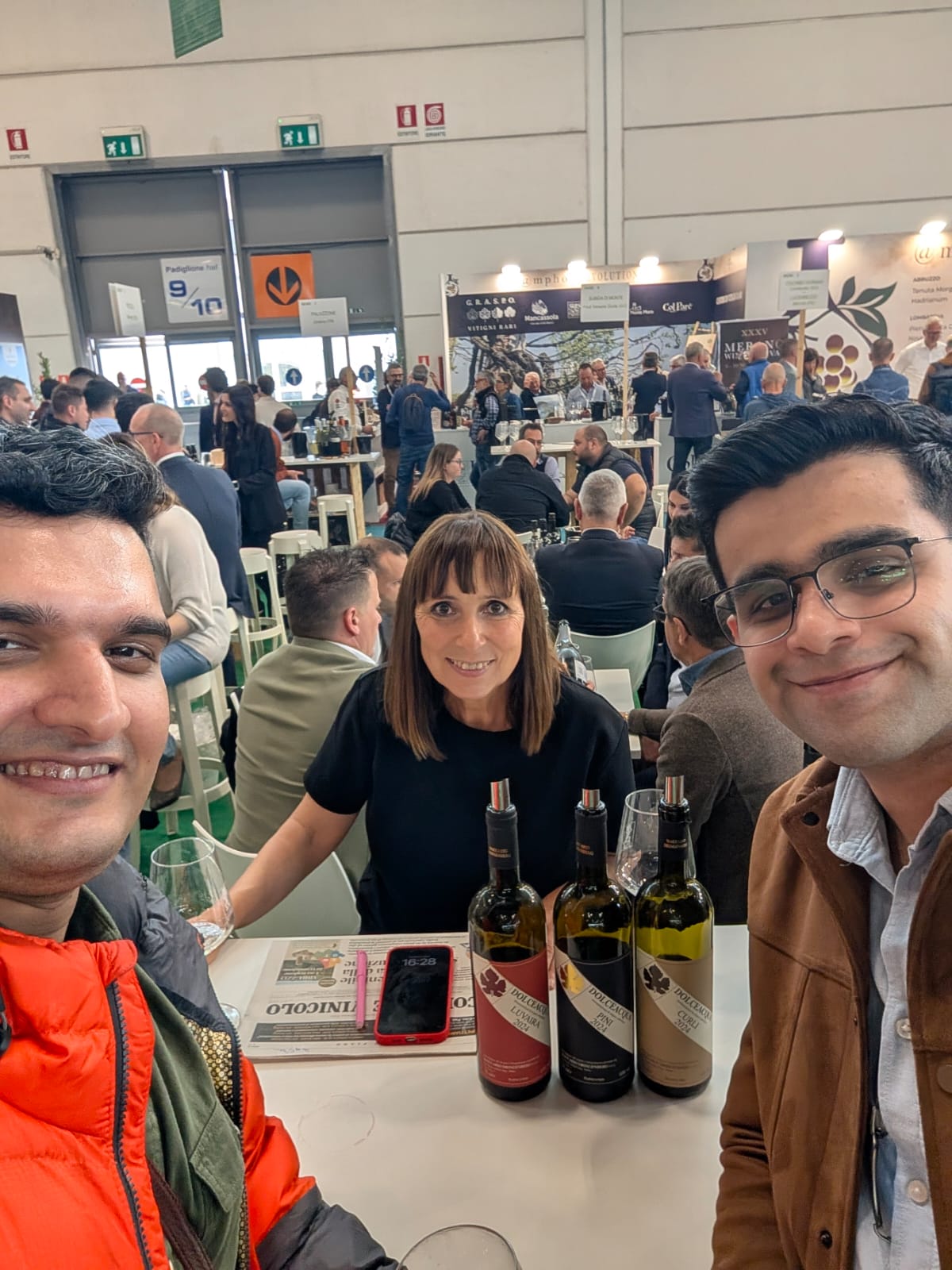
There is a particular electricity at Vinitaly that I have never found anywhere else. Verona in April, a hundred thousand wine lovers, and conversations that stretch well past dusk. This year felt especially charged. Italian wine is in a moment of genuine self-discovery, and Vinitaly 2026 was its most vivid reflection.
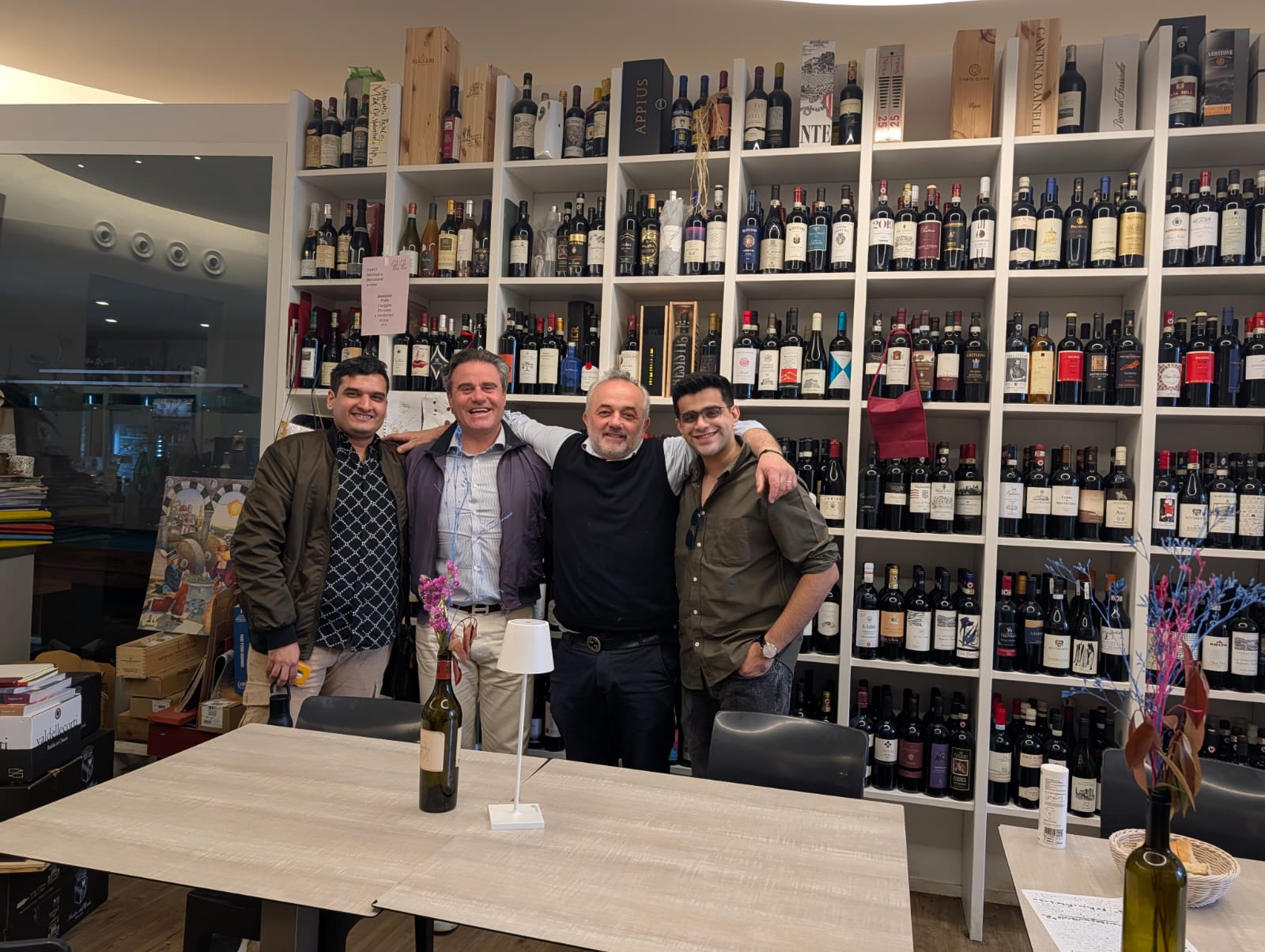
I was fortunate to share it with two of India’s brightest young sommeliers. Fratelli Vineyards hosted Hridhay Mehra, the winner of Wine Superstars 2025 and sommelier of the much-awarded Masque restaurant in Mumbai, and Yash Ghadiyar, recipient of The Kapil Sekhri Legacy Award 2025 – both on a dedicated trip to Italy, with Vinitaly at its heart. Watching these two sharp, curious minds navigate the fair alongside me was as enriching for me as I hope it was for them.
Nota bene, wine lovers – Highlights from Vinitaly
Il Giodo was an early highlight. Carlo Ferrini’s personal estate in Castelnuovo dell’Abate, built with his daughter Bianca, named for the initials of his parents Giovanni and Donatella, produced a 2021 Brunello di Montalcino of extraordinary tension and purity. Multiple 100- point scores from James Suckling tell part of the story. The glass tells the rest. Hridhay stood in silence for a long moment after tasting it. That silence said everything.
Il Borro offered two revelations. Their Bolle di Borro 100% Sangiovese, traditional method, five years on lees, is a wine that should not work as well as it does. Persistent, savoury, architecturally precise. Yash called it “the most logical surprise of the day.” Their micro- production Chardonnay, just 2,000 bottles aged through three distinct techniques, tasted closer to a Grand Cru Burgundy than anything Tuscany is supposed to produce.
Istine, Angela Fronti’s Radda-based estate, remains one of the most honest addresses in Chianti Classico. Single-vineyard wines from three villages, each speaking with a distinct voice, driven by altitude and alberese soils rather than winemaking intervention.
Castagnoli reminded us what conviction looks like at small scale. Ten hectares, five of them terraced and bush cultivated, biodynamic, with no new oak in the cellar. Their Riserva Le Terrazze is a vineyard wine in the truest sense, purity arrived at through subtraction, not addition.
Fontodi needs no introduction, but it always rewards revisiting. The Conca d’Oro in Panzano which features a natural south-facing amphitheatre, provides Sangiovese with conditions close to ideal. Flaccianello della Pieve is one of Italy’s great wines. The full range, from Chianti Classico through Gran Selezione, is a masterclass in what a single grape in a single place can say across a hierarchy of expressions.
The conversation running through the entire fair was about sparkling wine. Not where you’d expect it. Tuscany, Marche, Lazio, Sardinia: winemakers across central Italy are turning to the traditional method with indigenous grapes, and the results are too serious to dismiss as a trend. Sangiovese brings savouriness and precision to bubbles, as Bolle di Borro proves. Verdicchio in Marche has the acidity and texture to challenge serious Blanc de Blancs after extended lees ageing. Trebbiano in Lazio becomes a canvas for terroir rather than fruit. Vermentino in Sardinia, saline and herb-driven, develops an oceanic depth after autolysis, unlike anything else in Italian sparkling. These producers are not borrowing Champagne’s language; they are learning to speak it in their own dialect. That distinction matters enormously.
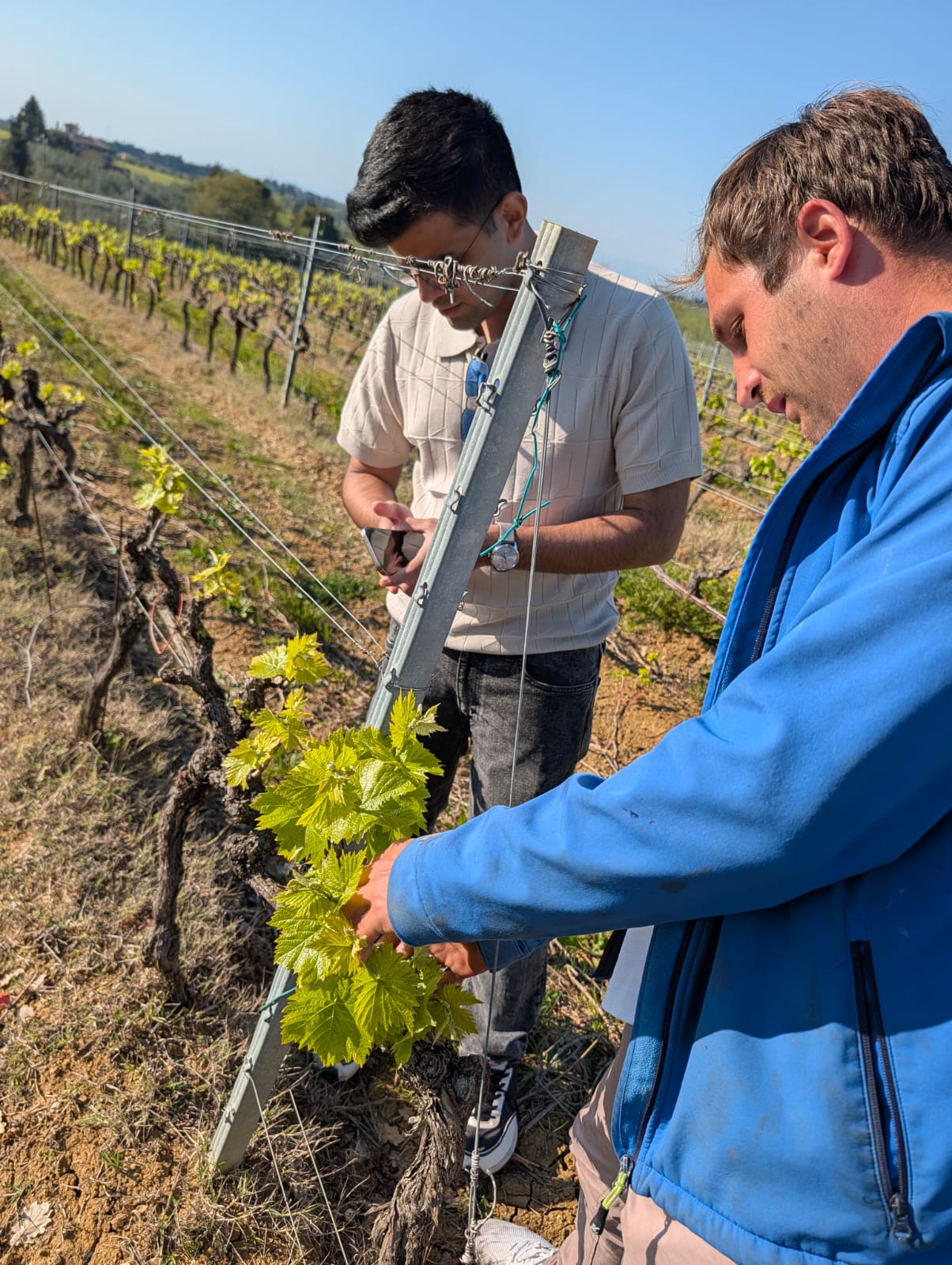
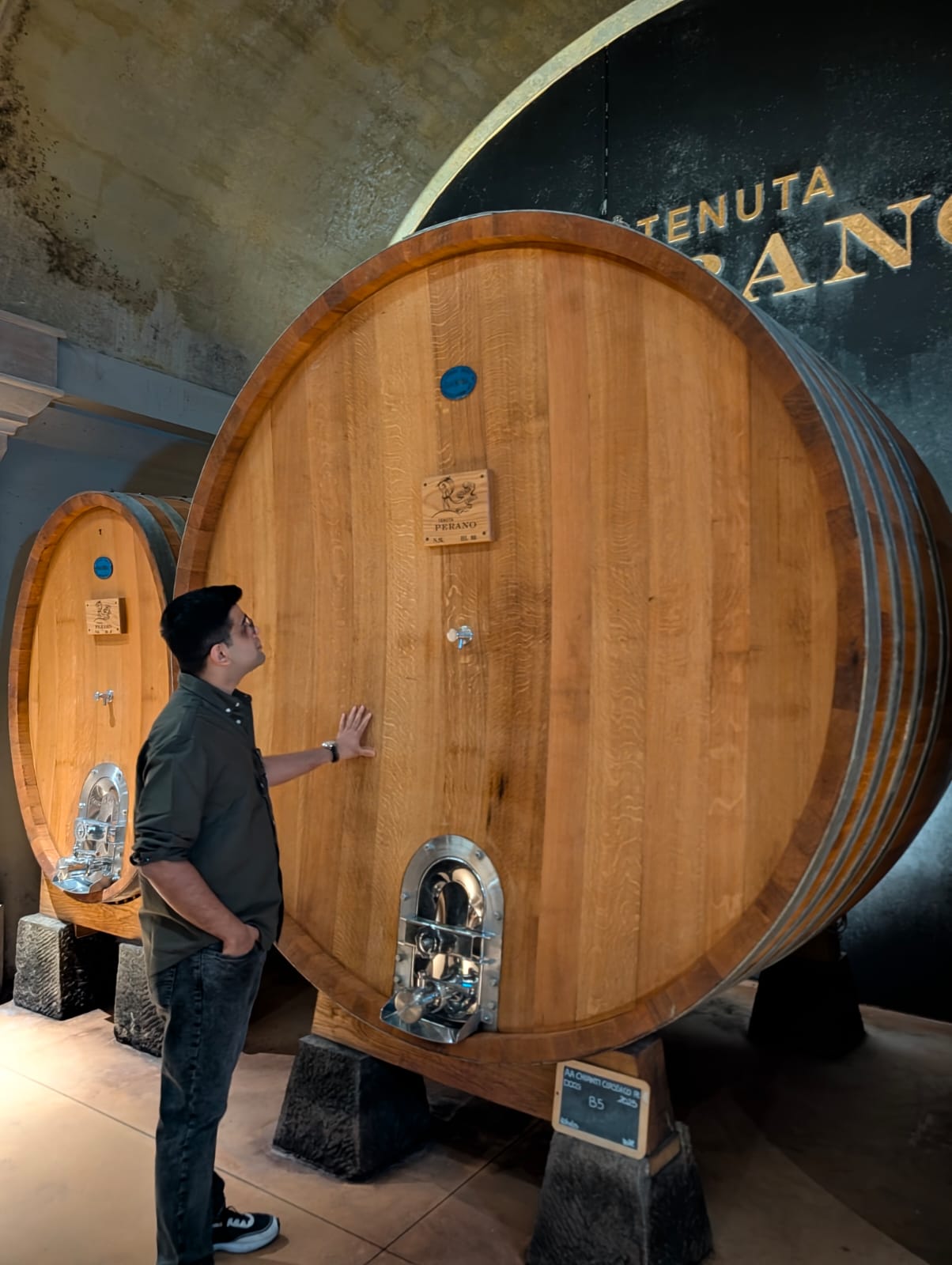
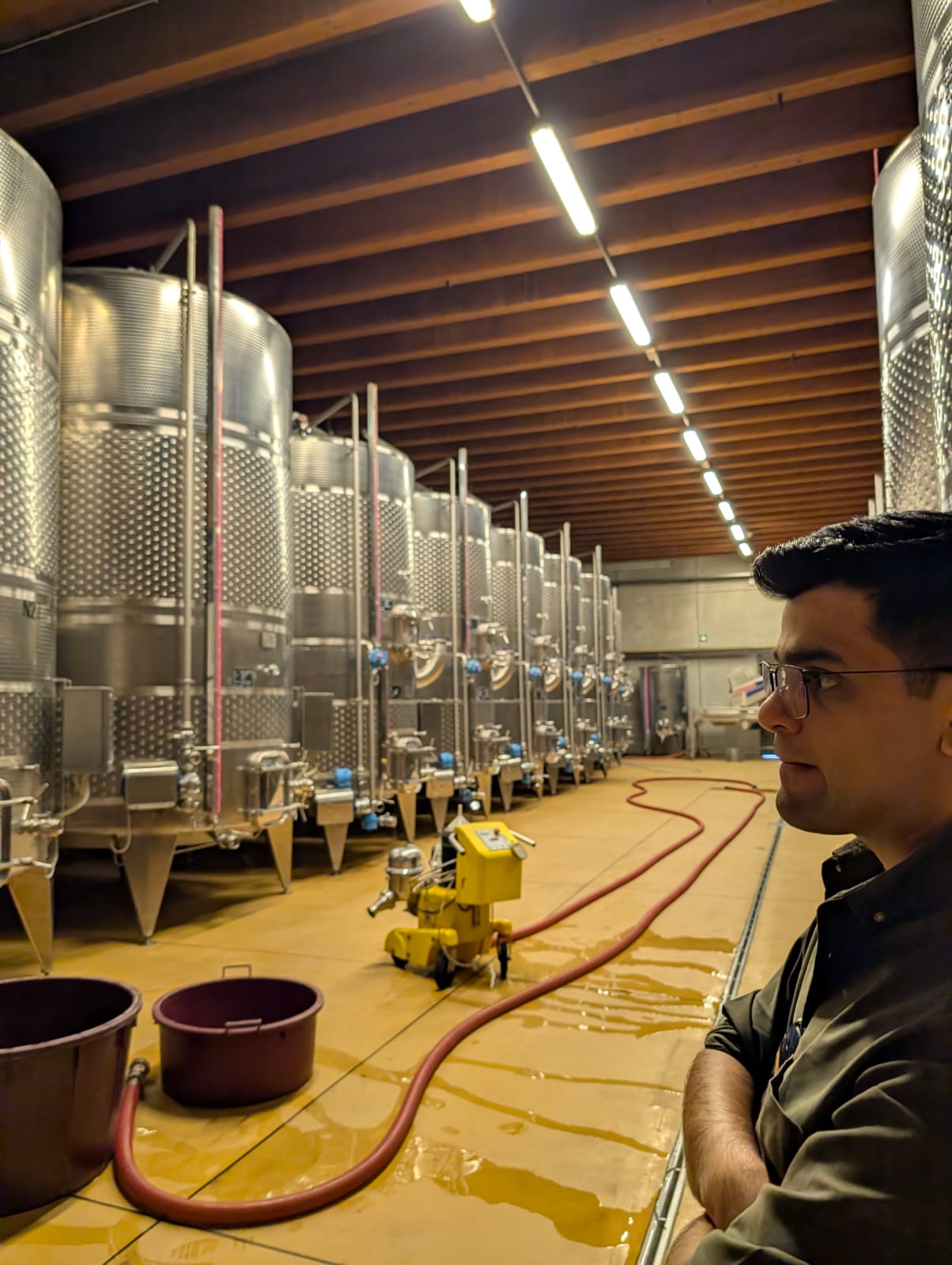
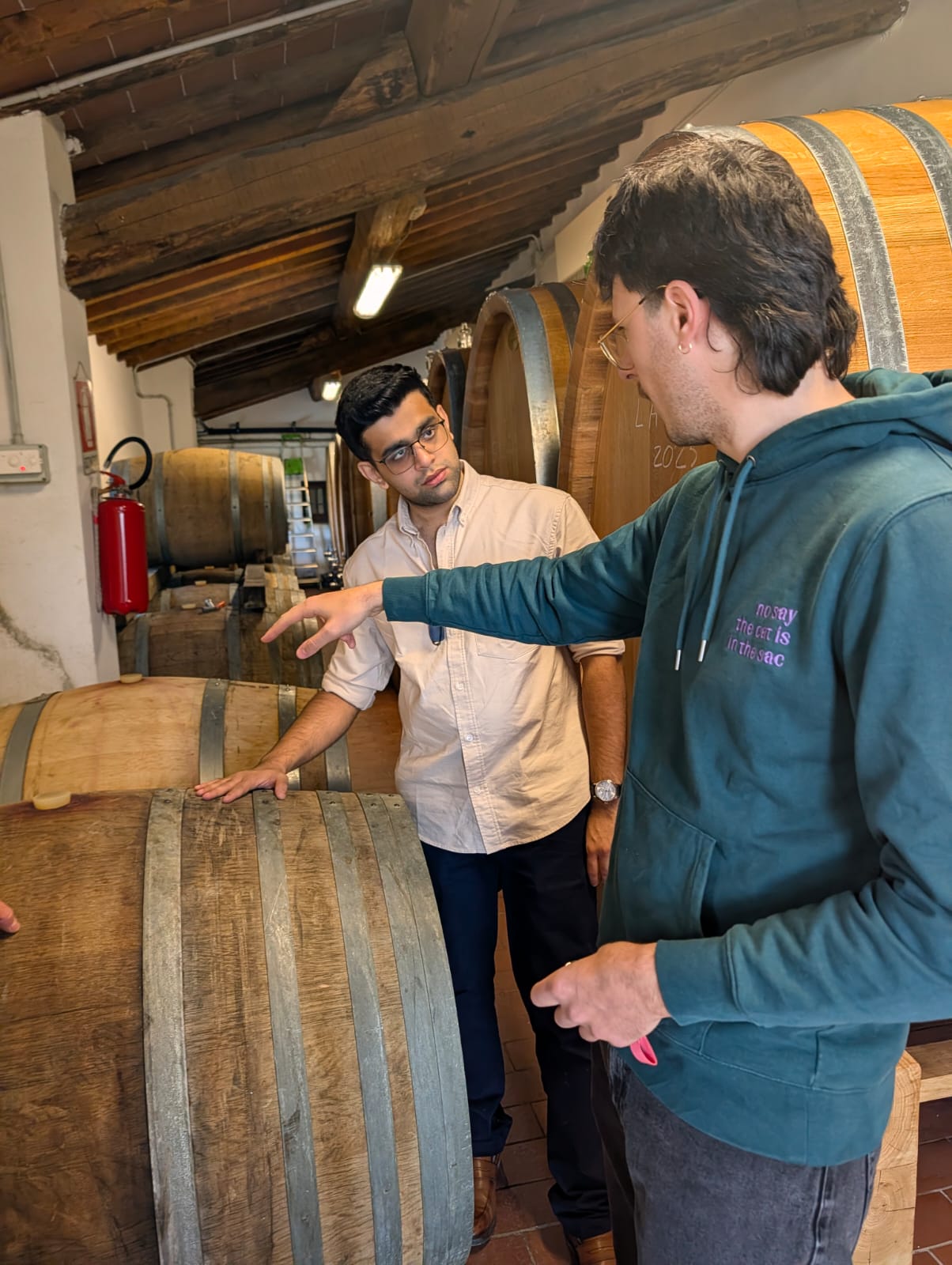
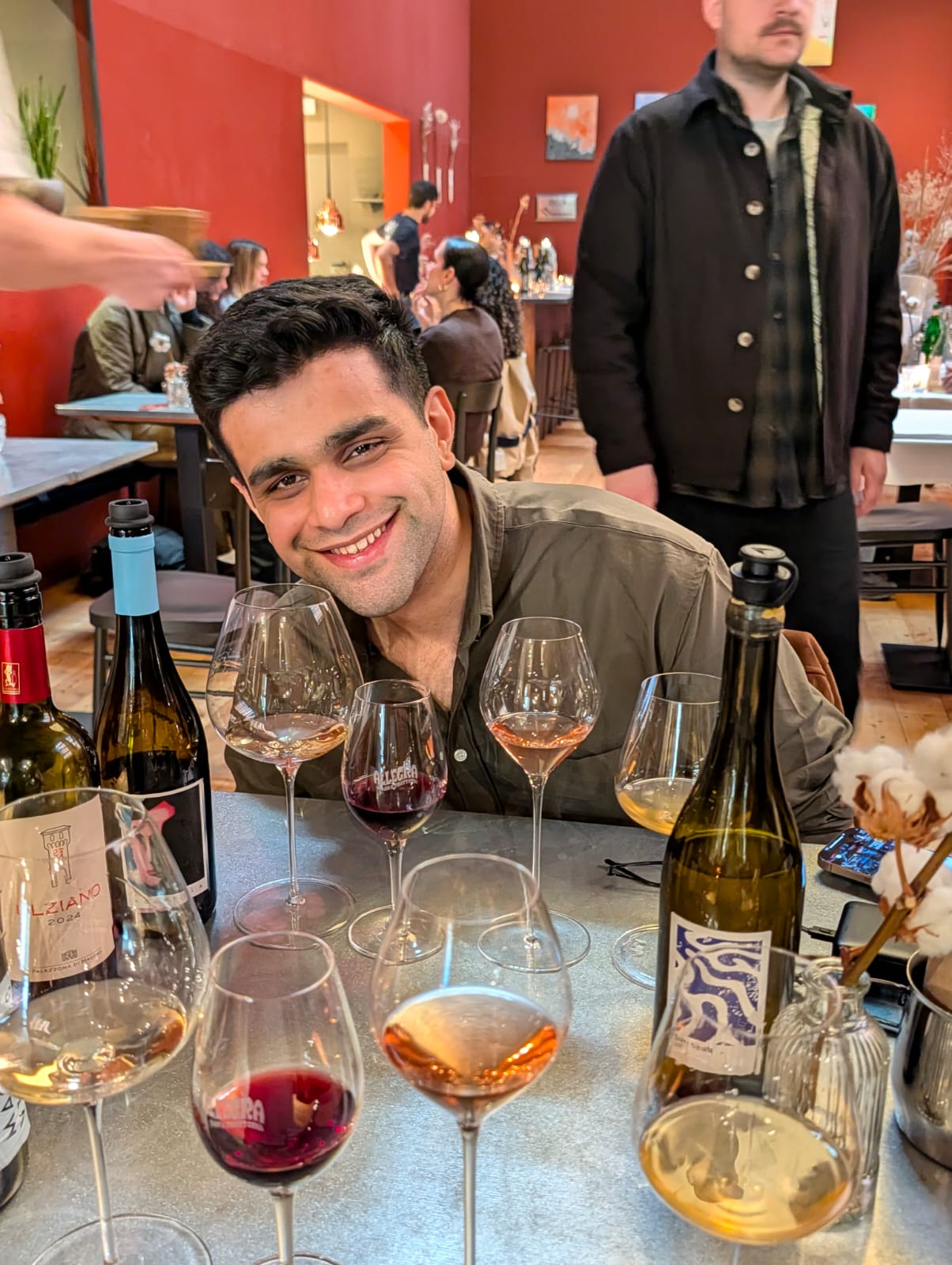
I left Verona, as always, with more questions than answers. But what I carried home most clearly was a sense of pride in Hridhay, in Yash, and in what their presence at a platform like this represents for Indian wine culture. These are not observers. They are professionals with a point of view, and the Italian producers who met them knew it immediately. India and Italy share more than most people realise. Wine is inseparable from land, from family, from the table. At Fratelli, we have spent two decades building that understanding in Maharashtra. Vinitaly reminds me every year how much there is still to learn and yet quietly, how far we have already come.