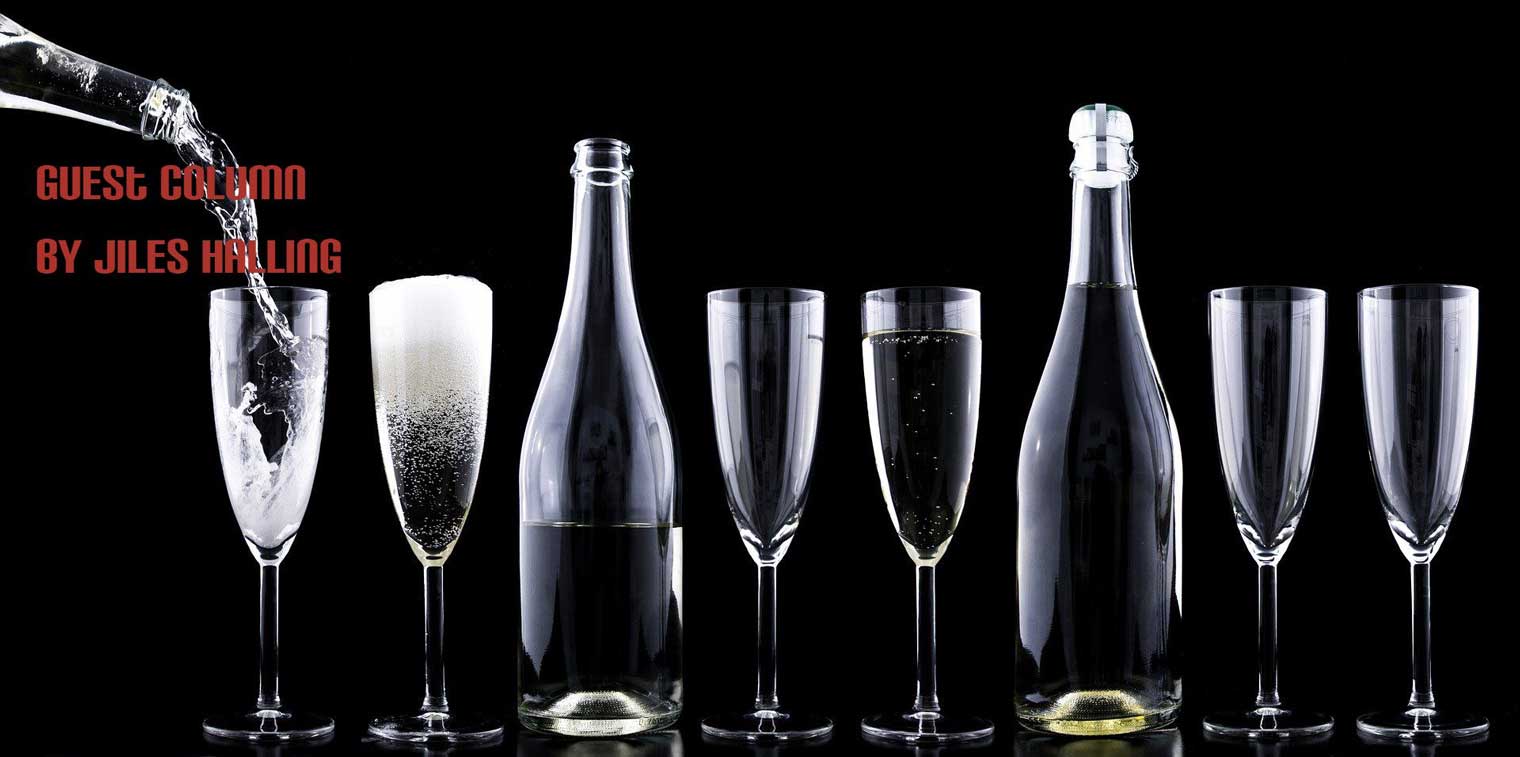
Flutes, coupes or tulips… which of these glasses do you drink your Champagne from? Champagne-based wine professional Jiles Halling examines the pros and cons of each type of glass in his guest column
If you go back far enough in history it seems that, even as long ago as the late 17th century when Champagne first appeared on the scene, there was a variety of shapes and sizes of glass to choose from. Short and stubby, tall and narrow, clear glass and opaque glass (the latter was common before riddling and disgorging had been perfected and champagne was often a bit murky).
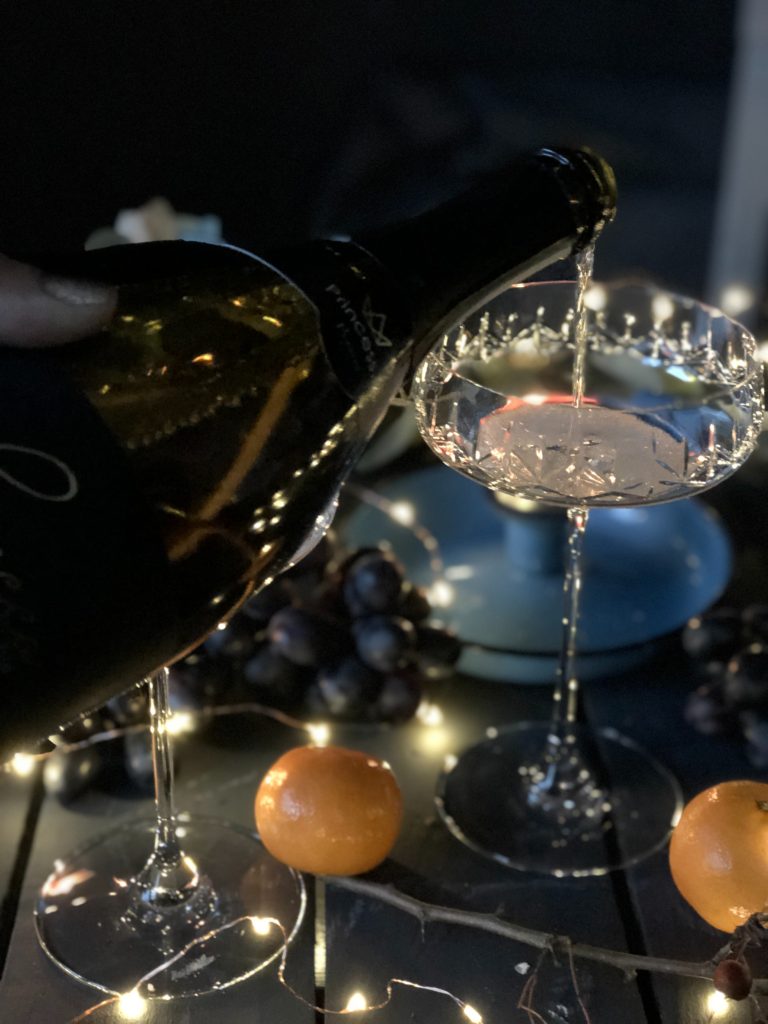
Sometime later, perhaps around the time of Louis XVI, although some say rather earlier, the coupe glass made an appearance and, in one variation or another, the coupe remained popular through Victorian times, to the roaring 20s, on into the Hollywood era of the 1950s and even beyond.
Perhaps it’s because of the associations with those, apparently, glamourous times in the past that the coupe glass has a certain nostalgia attached to it: there’s nothing to match coupe glasses for building a champagne pyramid and to this day the coupe is still regarded as the perfect glass for many cocktails. You only have to look at the Moet Golden Hour glass used at this year’s Golden Globe awards.
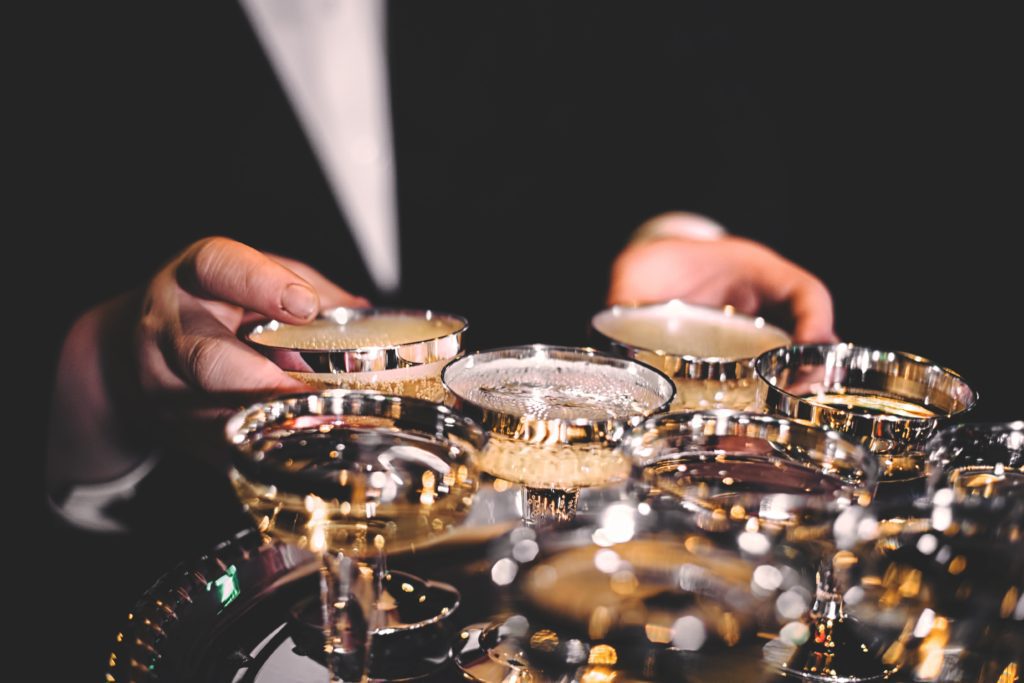
The criticism often levelled at coupe glasses is that the aromas dissipate before they can be really appreciated and that the effervescence dies away too quickly.
The first accusation is certainly correct – the aromas spread out sideways rather than being focussed upwards towards the nose, but the part about the bubbles dying away too quickly always seems irrelevant to me because the bubbles in Champagne persist for far longer than it takes an average person to finish the glass anyway.
Be that as it may, by the time the 1970s arrived the coupe was falling out of favour and being replaced by the tall and narrow flute.
Flute glasses are certainly elegant – an ideal match with the imagery of Champagne. What’s more, you can see and appreciate the bubbles rising up the glass and, as long as the top of the glass curves inwards rather than outwards, you can get a good impression of the aromas of the wine.

So you might have expected the popularity of the flute to be unchallenged for many a year yet, but recently the preeminent position of the flute is being questioned in some quarters.
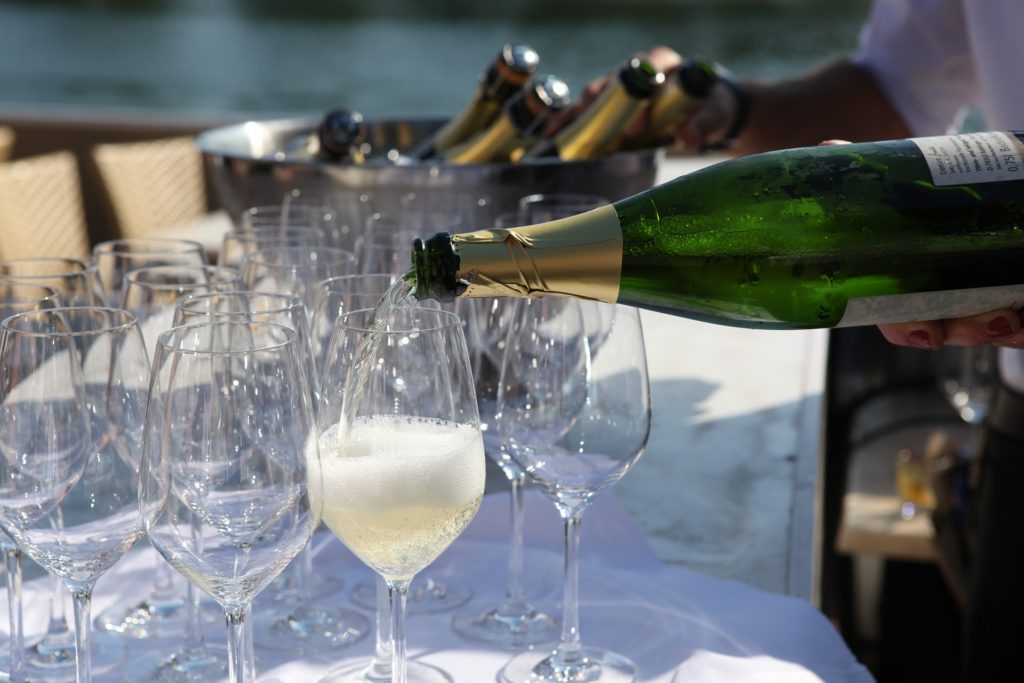
These days there is a growing body of opinion, especially amongst more practiced champagne drinkers, that holds that flutes are too tall and narrow to appreciate the full complexity of champagne. They’re just not wide enough to swirl the wine and release the aromas and if you insist on trying to swirl the Champagne around in a flute you’ll probably slop it inelegantly over the sides and over your hand too.
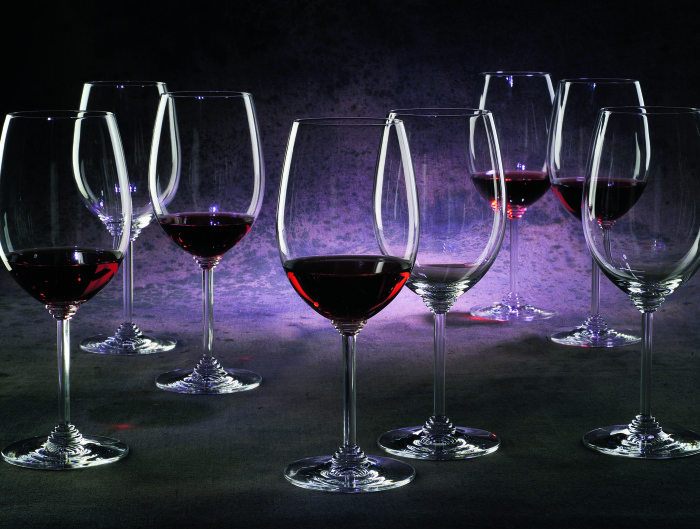
The answer, according to this side of the debate, is to go for a much larger, rounder glass, more akin to the type of glass you’d use to serve still white or red wine, and a plethora of variations on this theme are being put forward as the perfect solution by wine writers, glass manufacturers, sommeliers and commentators of all sorts.
Some of the leading Champagne houses, including Veuve Clicquot are advocating larger glasses so that you can add ice cubes to your champagne.
One of the reasons behind the increasing use of larger glasses for champagne is the fact that, for some years now, Champagne houses have been at pains to present Champagne in a rather more ‘serious’ light and to emphasise its qualities as a gastronomic wine to be matched with a wide variety of foods and served during, and perhaps even throughout, a meal.
If you have never had this experience, I can highly recommend it. There are so many different types and styles of Champagne that you can find one to match almost every kind of cuisine imaginable, from the first course to the dessert.
However, with so many conflicting opinions and so many glasses to choose from, making that choice can be a burden as well as a blessing.
It becomes a problem when things become too dogmatic and that can easily happen if you feel under pressure to use one type of glass or another for fear of being seen as unsophisticated, old-fashioned or ignorant if you don’t use the ‘correct ‘ type of glass.
It becomes a blessing when you have the freedom to choose the glasses according to your own preference and to the occasion.
My own thoughts are that:
- Coupe glasses are still ideal for Champagne cocktails and to add an unexpected bit of fun to the party.
- Flute glasses are far from a thing of the past. They’re perfect for classic Champagne receptions when people just want to celebrate some special occasion.
- Wider, rounder glasses are a good choice when you are serving older Champagnes, probably during a meal, to experienced wine lovers who all have the time and interest to discuss the finer characteristics of the Champagne in the glass.
And the best possible solution?
Try all three types and make up your own mind which you prefer.

Jiles Halling is an Englishman whose career in marketing and sales for major international wines and spirits brands took him to the USA and Japan before spending 17 years living and working in Champagne. Jiles is the creator of My Champagne Expert – a brand new, comprehensive online course all about Champagne and other books and guides on Champagne.

You might also like